




Your water heater is one of those things you never think about—until it stops working. Then it’s all you think about.
If you’re replacing an old unit or building new, you’ve probably run into the big question: tank or tankless? And honestly, it’s a great question to ask. The answer can affect your energy bills, your comfort, and your wallet for years to come.
Both options have real advantages and trade-offs. What works great for one home might not be the right fit for another. So before you decide, it helps to understand exactly what each system does and how they stack up against each other.
Understanding Water Heaters
Before comparing the two, it helps to know what you’re actually dealing with. They both heat water, sure, but they do it in pretty different ways.
What Is A Tank Water Heater?
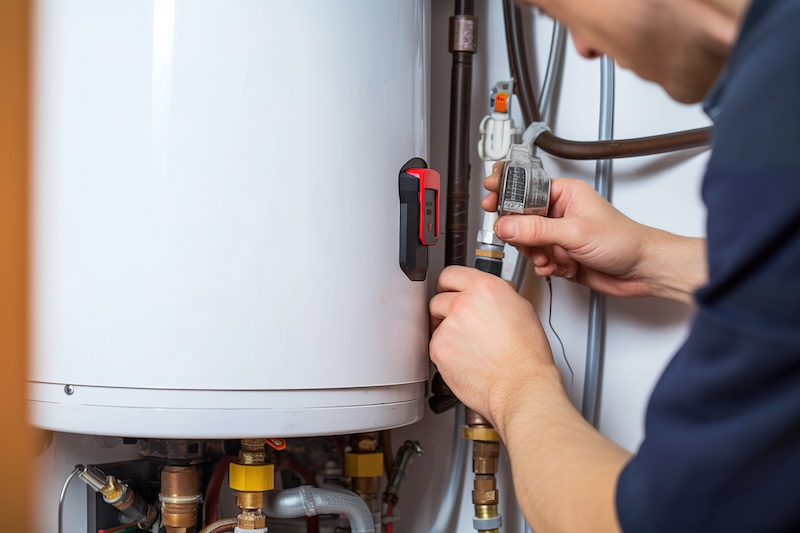
A tank water heater is what most people grew up with. It’s that big cylindrical unit sitting in your garage, basement, or utility closet. Here’s how it works:
It stores a large amount of water, usually between 30 and 80 gallons, and keeps it heated around the clock. Gas or electric doesn’t matter. The goal is the same: hot water ready and waiting whenever you need it.
As such, it’s a simple, reliable system. And because it’s been around forever, parts are easy to find, and most plumbers can work on them in their sleep.
What Is A Tankless Water Heater?
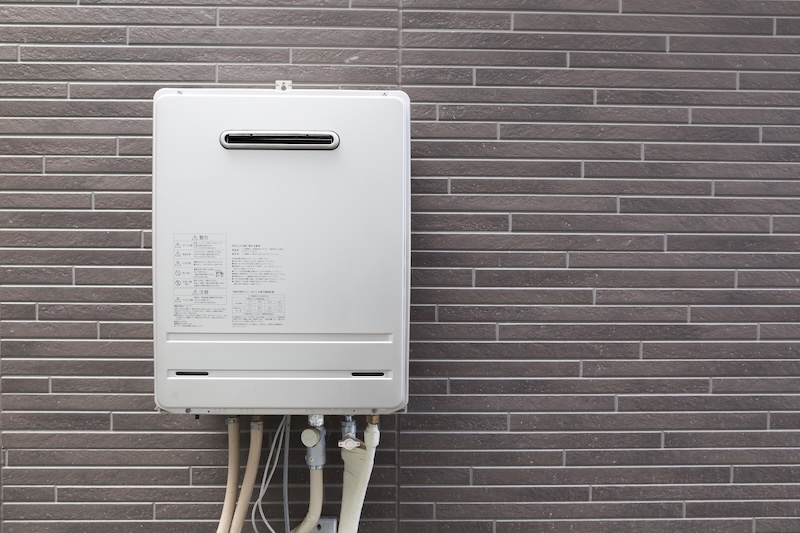
A tankless water heater does things differently. Instead of storing hot water, it heats water on demand—only when you actually need it.
Turn on the tap, and cold water travels through the unit. A powerful burner or electric element heats it instantly. You get hot water without ever needing a storage tank.
That’s why they’re also called on-demand water heaters. No tank, no standby heating, and no waiting for a reserve to refill.
How Each System Heats Water
The difference comes down to one thing: timing.
A tank heater works ahead of time. It heats and stores water constantly, so it’s ready when you call for it. The downside? It’s using energy even when nobody’s home or everyone’s asleep.
Alternatively, a tankless heater works in the moment. It only fires up when you turn on the hot water. That means no energy wasted keeping a tank warm 24/7.
Both get the job done. But how they get there, and what that costs you, makes a real difference over time.
Key Differences Between Tankless and Tank Water Heaters
Now that you know how each system works, let’s look at how they actually compare. These are the six areas that matter most when making your decision.
Size & Space Requirements
Tank water heaters are big. A standard unit can stand 5 feet tall and take up significant floor space. That’s not always a problem, but in smaller homes it can be.
On the other hand, tankless units are compact. Most mount directly to a wall and take up a fraction of the space. If your utility room is tight, or you simply want that space back, tankless has a clear edge here.
Some homeowners even install tankless units outside. That frees up indoor space entirely, which is an advantage a tank system can’t offer.
Energy Efficiency
Energy efficiency is where tankless systems shine. A tank heater runs continuously, keeping water hot even at 2 am when nobody’s using it. That constant energy use adds up.
A tankless unit only runs when you turn on the tap. According to the U.S. Department of Energy, tankless water heaters can be 24-34% more energy efficient than tank models for average households.
Homes that use a lot of hot water can still see efficiency gains, just slightly less dramatic. So if lowering your energy bill matters to you, and it usually does, tankless is worth the investment.
Water Supply
Here’s where tank heaters have a natural limitation:
Once you drain the tank, you’re waiting for it to refill and reheat. Run the dishwasher, do a load of laundry, and take back-to-back showers—you might run out.
Tankless heaters don’t have that problem. They heat water continuously on demand, so you’re not pulling from a fixed reserve.
A single tankless unit does have a flow rate limit, though. In colder climates or high-demand situations, it can struggle to keep up if multiple fixtures are running at once. For most households, that’s not an issue. But it’s worth knowing before you buy.
Installation & Maintenance
Installing a tank water heater is straightforward. Most homes are already set up for one, so swapping out an old unit is usually a simple job.
Tankless installation can be more involved. You may need upgraded gas lines, new venting, or additional electrical work, depending on your home’s setup. That adds to the upfront cost, which we’ll cover in detail later.
Maintenance is similar for both. Tank heaters need periodic flushing to clear sediment. Tankless units need the same, especially in areas with hard water, like parts of Santa Maria. Annual flushing keeps both systems running efficiently and extends their lifespan.
Lifespan & Durability
Tank water heaters typically last 8-12 years with proper maintenance. After that, you’re usually looking at a replacement.
Tankless units, however, last significantly longer, often 20 years or more. That longer lifespan plays a big role in the overall value comparison, even if the upfront cost is higher.
Real homeowners back this up. It’s not uncommon to hear of Noritz or Rinnai tankless units running strong after 14-20 years with basic annual maintenance.
Performance During High Demand
This one depends on your household. A tank heater delivers strong, consistent pressure as long as there’s hot water in the reserve. The issue is when demand exceeds supply.
Tankless handles continuous demand well: a long shower, a filled soaker tub, or an extended run of dishes. Where it can fall short is the simultaneous high demand. Two showers running at the same time on a single unit, for example, can push the flow rate limit.
For larger homes or businesses, installing multiple tankless units or a larger capacity unit solves this easily.
Tank Water Heater Pros & Cons
Tank water heaters have been the standard for decades, and for good reason. They’re dependable, affordable, and simple to maintain. But they’re not without their drawbacks.
Pros
- Lower upfront cost, as units and installation are typically cheaper
- Easy to install in most existing homes
- Compatible with most plumbing setups without major upgrades
- Widely available since parts and repairs are simple to find
- Reliable pressure when the tank is full
Cons
- Higher energy bills from constant standby heating
- Limited hot water supply—once it’s gone, you wait
- Larger footprint and takes up significant space
- Shorter lifespan, typically 8-12 years
- Sediment buildup over time can reduce efficiency
The Verdict: A tank heater makes sense if you want simplicity and lower upfront costs. Just know that over time, the energy costs and eventual replacement add up.
Tankless Water Heater Pros & Cons
Tankless water heaters have grown in popularity, and it’s easy to see why. They’re efficient, long-lasting, and deliver hot water without limits. That said, they come with a few things to consider upfront.
Pros
- Energy efficient (only heats water when you need it)
- Endless hot water on demand
- Compact, wall-mounted design saves space
- Longer lifespan, often lasting 20 years or more
- Can increase home resale value
Cons
- Higher upfront installation cost
- May require upgraded gas lines or electrical work
- Flow rate limits under simultaneous high demand
- Annual flushing recommended, especially with hard water
- Higher repair costs if something goes wrong
The Verdict: Tankless is a strong choice for homeowners thinking long-term. The higher initial investment tends to pay off, both in energy savings and in not replacing the unit every decade.
Tankless Water Heater Vs Tank: Cost
Cost is usually the deciding factor for most homeowners. So let’s break it down clearly: upfront, ongoing, and long-term.
Upfront Installation Cost
Tank water heaters are the most affordable option to start. In California, a standard tank replacement typically runs between $800 and $1,800 for a basic unit. Higher-end models or larger tanks can push that closer to $2,500-$4,500, depending on size and fuel type.
Alternatively, tankless systems cost more upfront. Installation in the Santa Maria area generally runs between $1,400 and $3,900. That wider range reflects variables like fuel type, whether your home needs upgraded gas lines or electrical work, and permit costs.
It’s worth budgeting for those extras. Permits, old unit removal, and any necessary upgrades can add to your total, so always get an itemised quote.
Operating Costs & Energy Bills
This is where tankless starts closing the gap. Because it only heats water on demand, you’re not paying to keep a tank warm around the clock.
Tank heaters, especially electric ones, carry higher monthly operating costs over time. Gas tank heaters are cheaper to run but still less efficient than their tankless counterparts. Over the course of a year, those monthly savings on your energy bill add up noticeably.
Long-Term Value
Let’s look at the bigger picture:
A tank heater lasts 8-12 years. A tankless unit can last 20 or more years. That means you could replace a tank heater twice in the time a tankless system is still running strong.
When you factor in energy savings plus fewer replacements, tankless often comes out ahead financially, even with the higher starting cost.
Choosing the Right Water Heater for Your Home or Business
There’s no one-size-fits-all answer here. The right choice depends on your home, your household, and your priorities. But some clear patterns can point you in the right direction.
If you’re on a tight budget and need a straightforward replacement, a tank water heater gets the job done. It’s affordable, easy to install, and works well for smaller households with predictable hot water needs. If your home is already set up for a tank system, swapping it out is usually quick.
In case you’re thinking long-term, tankless is hard to beat. Lower energy bills, a longer lifespan, and endless hot water make it a smart investment. That’s especially true for growing families, anyone who runs the dishwasher and laundry simultaneously, or anyone who’s ever been stuck with a cold shower.
Other factors to consider include:
- Local water hardness in the Santa Maria area. Hard water accelerates mineral and scale buildup inside both systems. Left unchecked, that buildup reduces efficiency and shortens the lifespan of your unit.
- Annual flushing is a simple habit that protects your investment. Pairing either system with a water softener is the way to go.
- Your fuel source. Gas tankless units heat water faster and handle higher flow rates than electric models. For most California homes, a gas tankless water heater is the more practical whole-home solution.
- Your plans for the home. If you’re staying long-term, the efficiency and lifespan of a tankless system make financial sense over time. If you’re planning to sell in the next few years, a tankless unit can also be a selling point.
Not sure where to start? That’s exactly what we’re here for. Our team serves homeowners and businesses throughout Santa Maria and the surrounding area. A quick conversation can help you figure out the right fit.
FAQs
Are tankless water heaters more efficient?
Yes. Tankless water heaters only heat water when you need it, eliminating the standby energy loss that comes with keeping a full tank heated 24/7. For most households, that means noticeable savings on monthly energy bills.
How long does a tank water heater last?
A well-maintained tank water heater typically lasts 8-12 years. After that, efficiency drops, and repairs become more frequent. If yours is approaching that range, it’s worth planning ahead.
Can I install a tankless water heater myself?
It’s not recommended. Tankless installation often involves gas line work, venting, or electrical upgrades. These aren’t DIY-friendly jobs, and mistakes can be dangerous. As such, always use a licensed plumber to make sure it’s done safely and up to code.